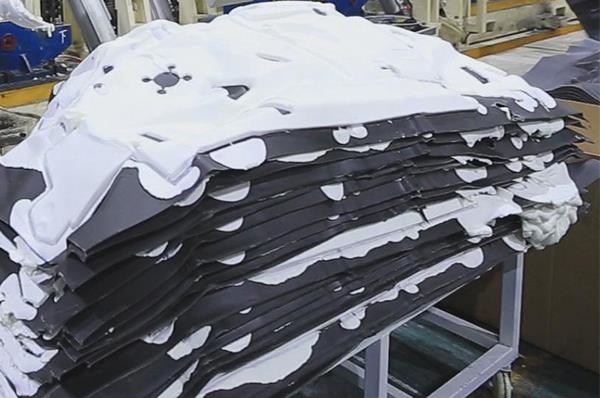

Description
Operational Procedure
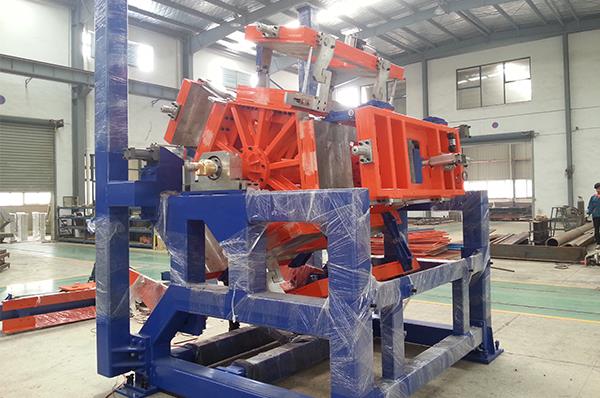
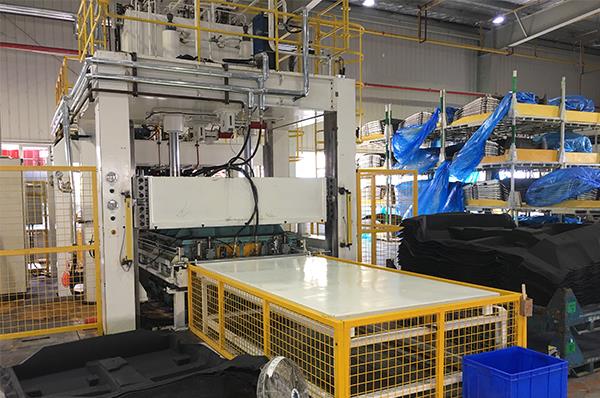
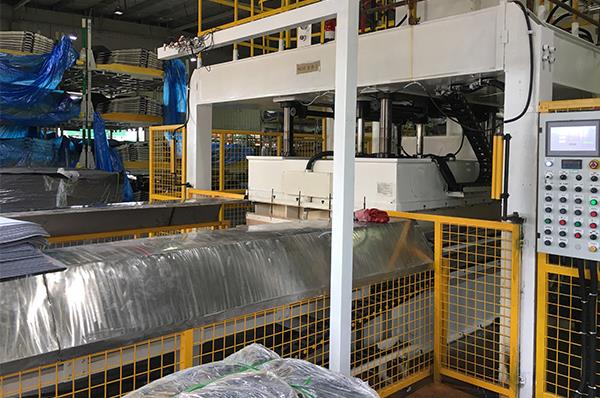
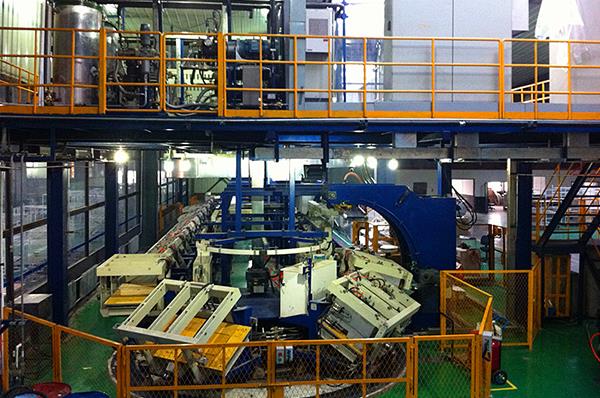
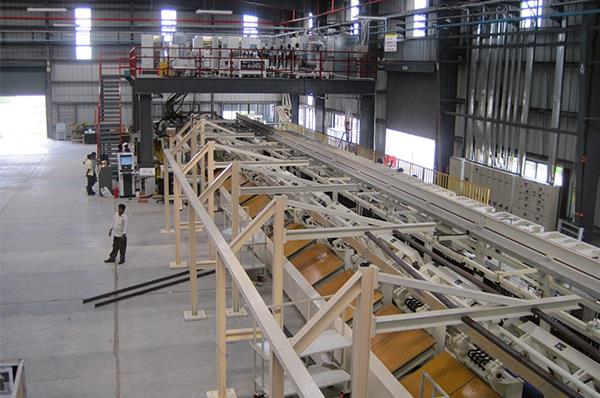
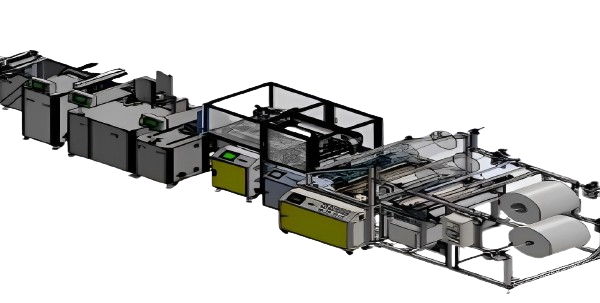
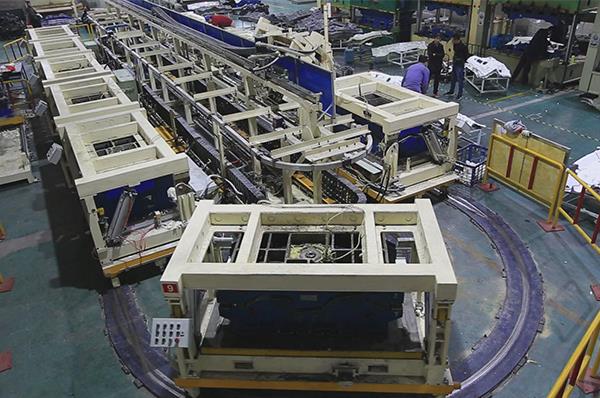
The automated production sequence includes multiple synchronized steps:
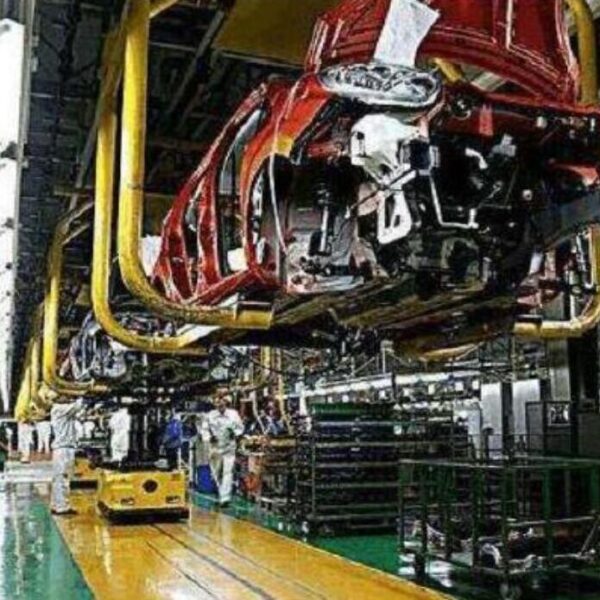
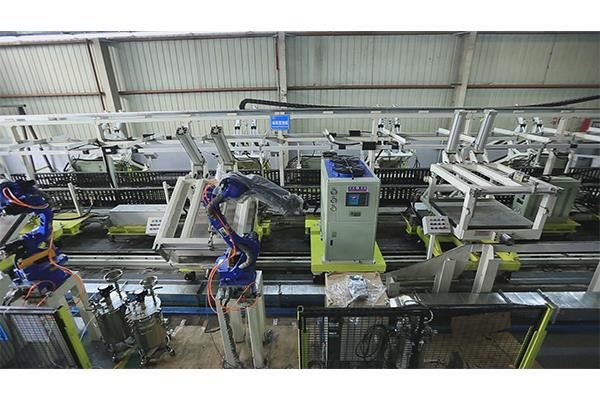
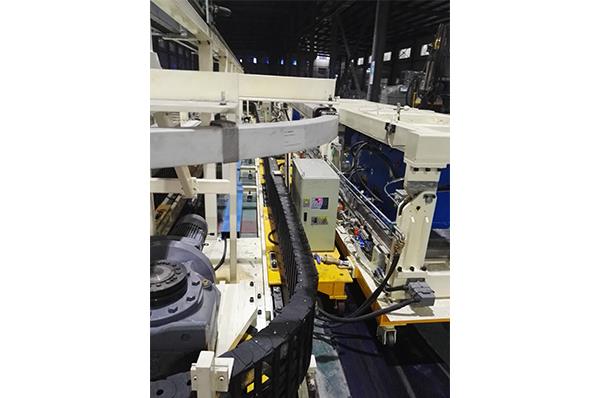
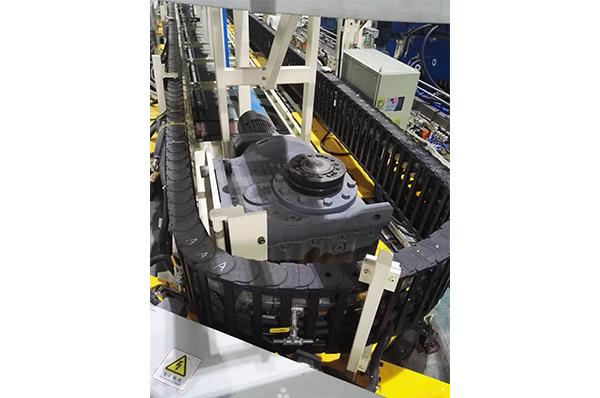
Recirculating chain drive continually moves trolleys.
Air exhausting clears fixture cavities before mould closing.
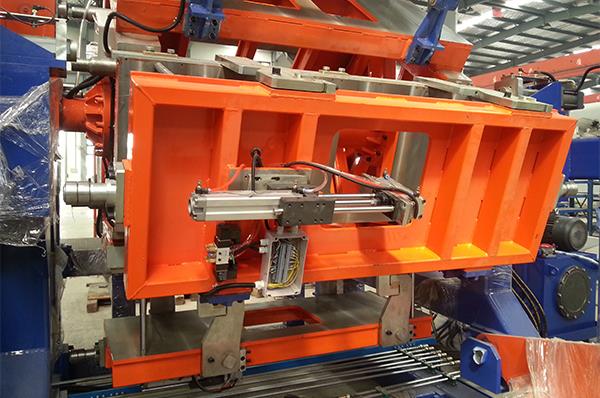
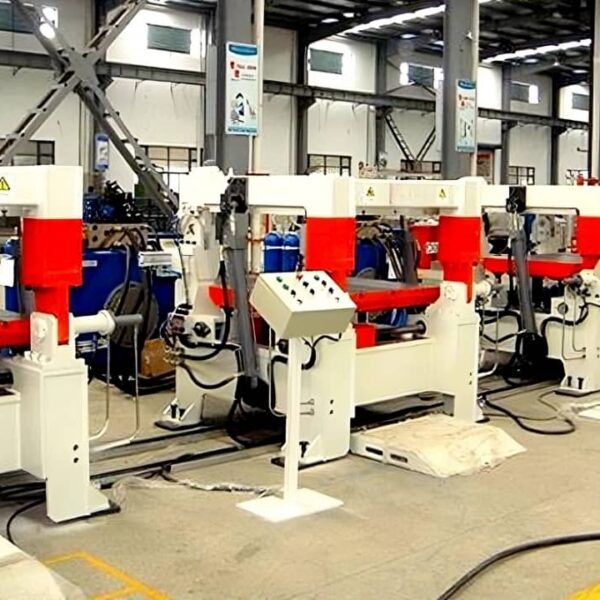
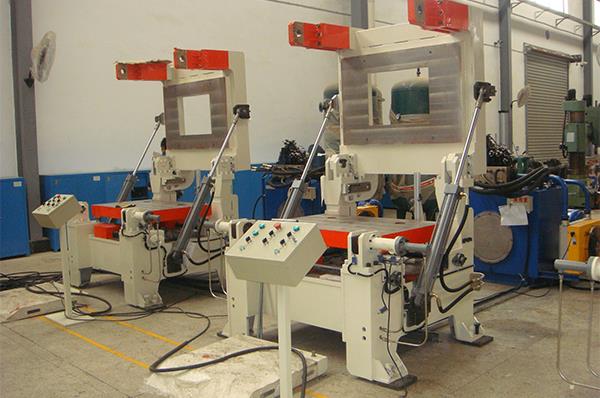
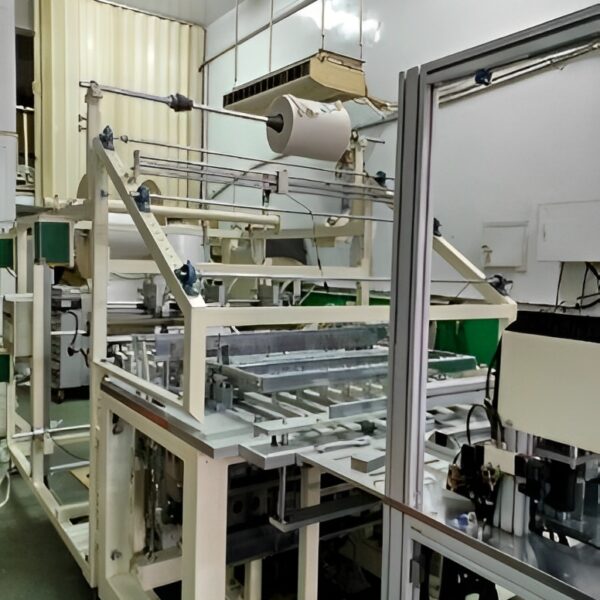
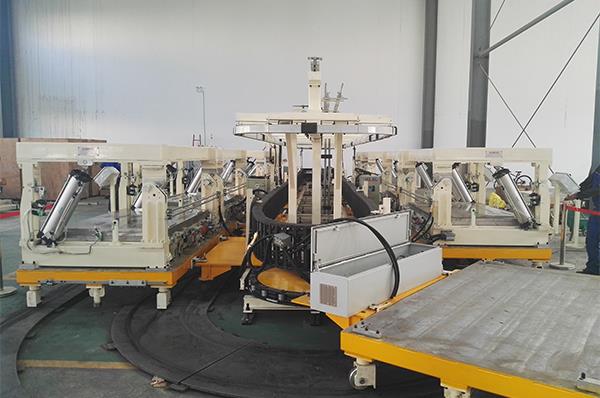
Fixture tilting, unlocking, and automatic opening prepare for loading.
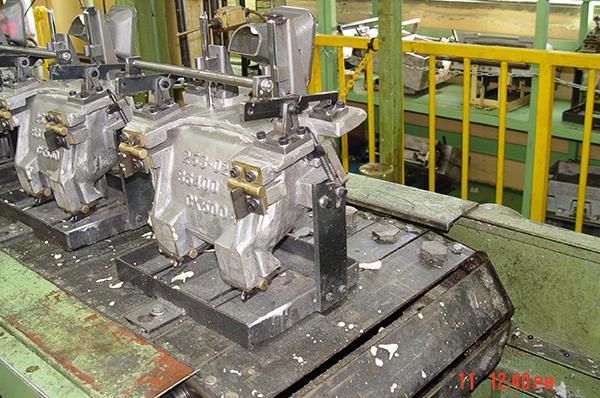
Manual tasks: unloading formed parts, cleaning, applying release agent, and loading new panels.
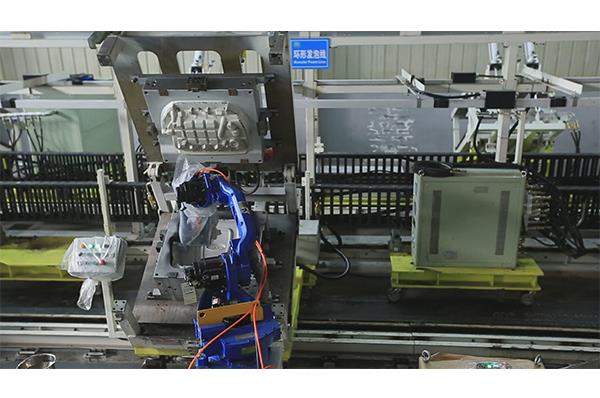
Automatic phases: injection of the panel, mould closing, air connection, positioning fixture, locking fixture, and curing cycle.
Recycle: after curing, cycle resets and trolley advances to next station.
This stepwise automation supports both high efficiency and precision production.
Key Features:
Servo / Converter motor-driven chain system: Offers high precision, torque, and speed control—ideal for synchronized forming lines.
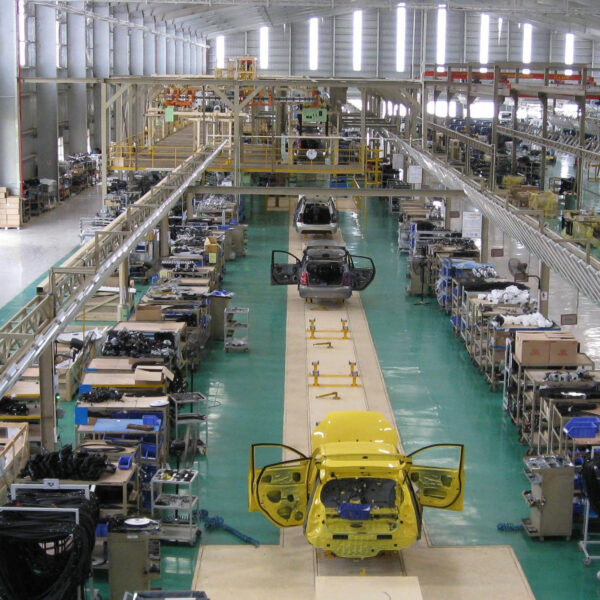
Multi‑station elliptical layout: Maximizes throughput with continuous trolley progression.
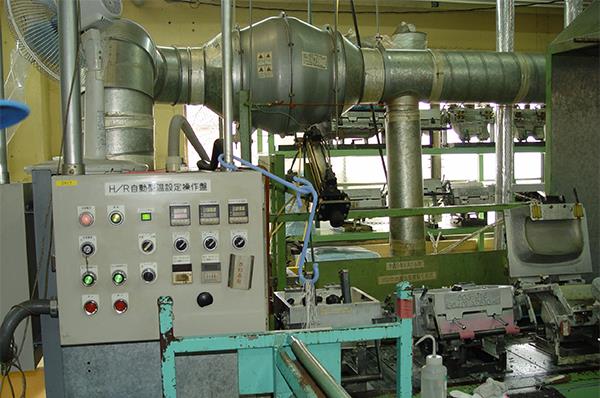
Dual heating methods: Electric and steam options ensure flexible thermal control.
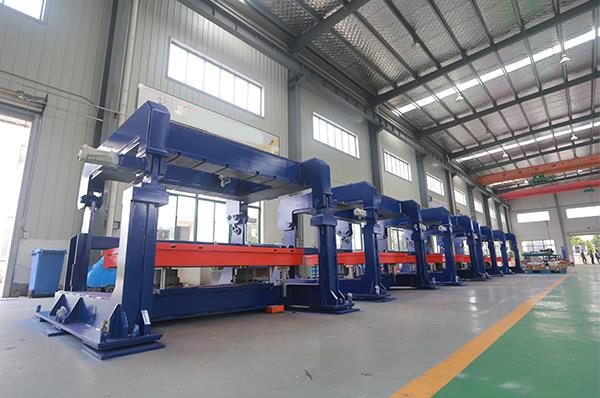
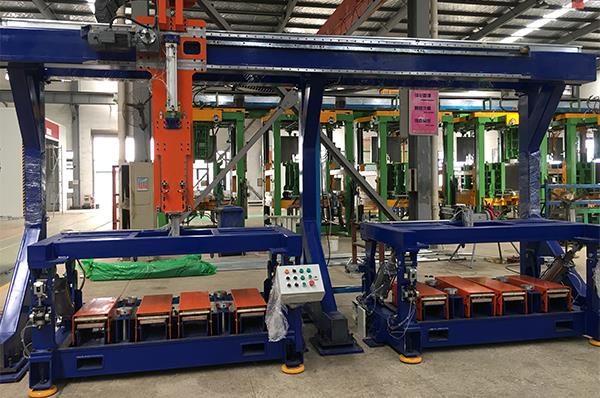
Automatic fixture actions: Bolstered with tilting, unlocking, opening, locking, and curing to minimize manual intervention.
Integrated manual steps: Essential human operations (cleaning, loading, release agent application) seamlessly blend with automated cycles.
High-volume suitability: Designed to support intensive production and quick cycle times.
Advantages
Continuous, high-efficiency production: Recirculating trolley and chain drive facilitate smooth, nonstop operation.
Precision-controlled heating: Supports consistent panel quality through uniform temperature regulation.
Automated fixture handling: Reduces cycle time, enhances repeatability, and lowers labor strain.
Flexibility: Includes manual interfaces to accommodate diverse part types and production needs.
Load-capable and synchronised drive system: Servo motors deliver robust torque, rapid acceleration, and reliable indexing .
Applications
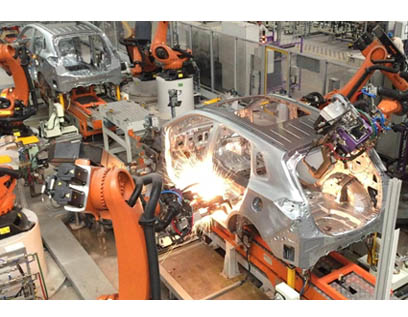
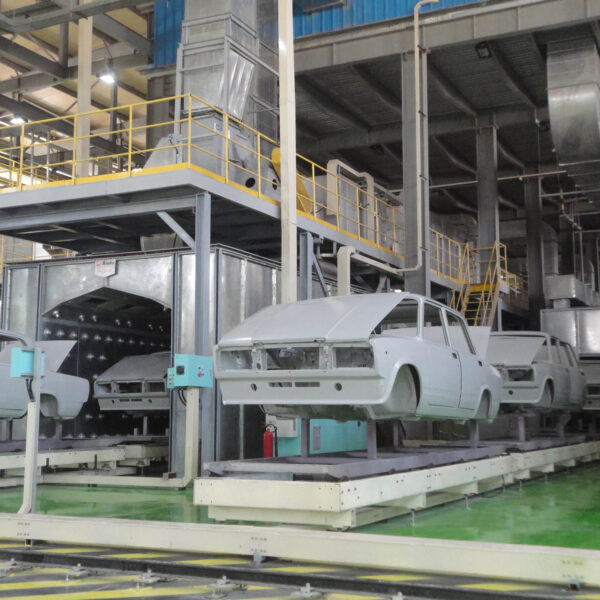
Automotive front-panel and exterior sheet-metal panel production (e.g., bonnet skins).
Medium to high-volume automotive production lines.
Environments needing precise thermal control and mix of automated/manual processing.
Retrofit or integration into existing forming plants.